Soft Sweet Sourdough Bread
Highlighted under: Dessert Corner
I love baking, and this Soft Sweet Sourdough Bread has become a staple in my kitchen. The combination of the tangy sourdough flavor with a hint of sweetness creates a unique loaf that perfectly complements both sweet and savory spreads. The fluffy texture and golden crust are just irresistible, making it a hit with family and friends. Each bite feels indulgent yet comforting. I can't wait to share this recipe with you so you can experience the joy of baking this delightful bread yourself.
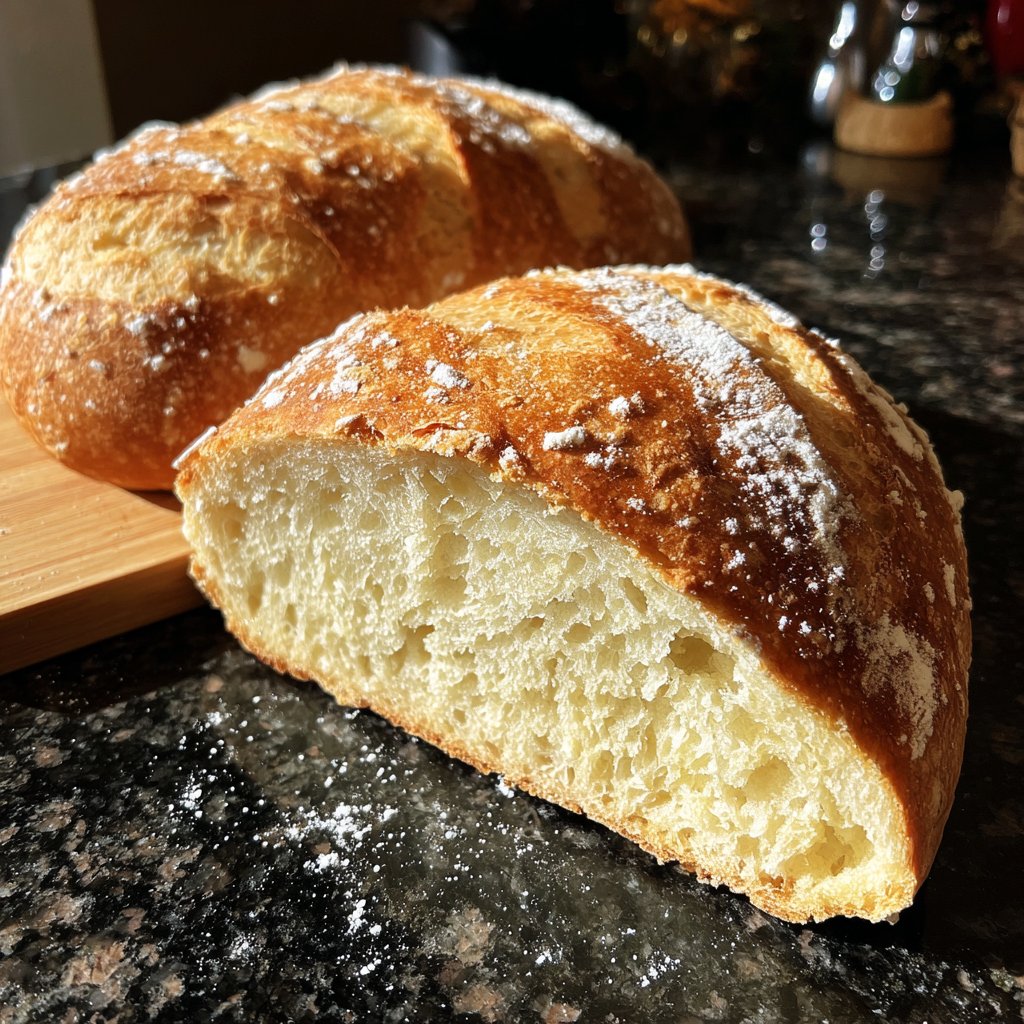
During my first attempt at making this Soft Sweet Sourdough Bread, I was amazed by how my kitchen transformed into a cozy haven filled with the aroma of freshly baked bread. I spent hours perfecting the balance between sweetness and the classic sourdough flavor, and each test loaf brought me closer to my goal. It's crucial to let the dough rest adequately for that perfect rise and texture, which is often the key to achieving the ideal bread.
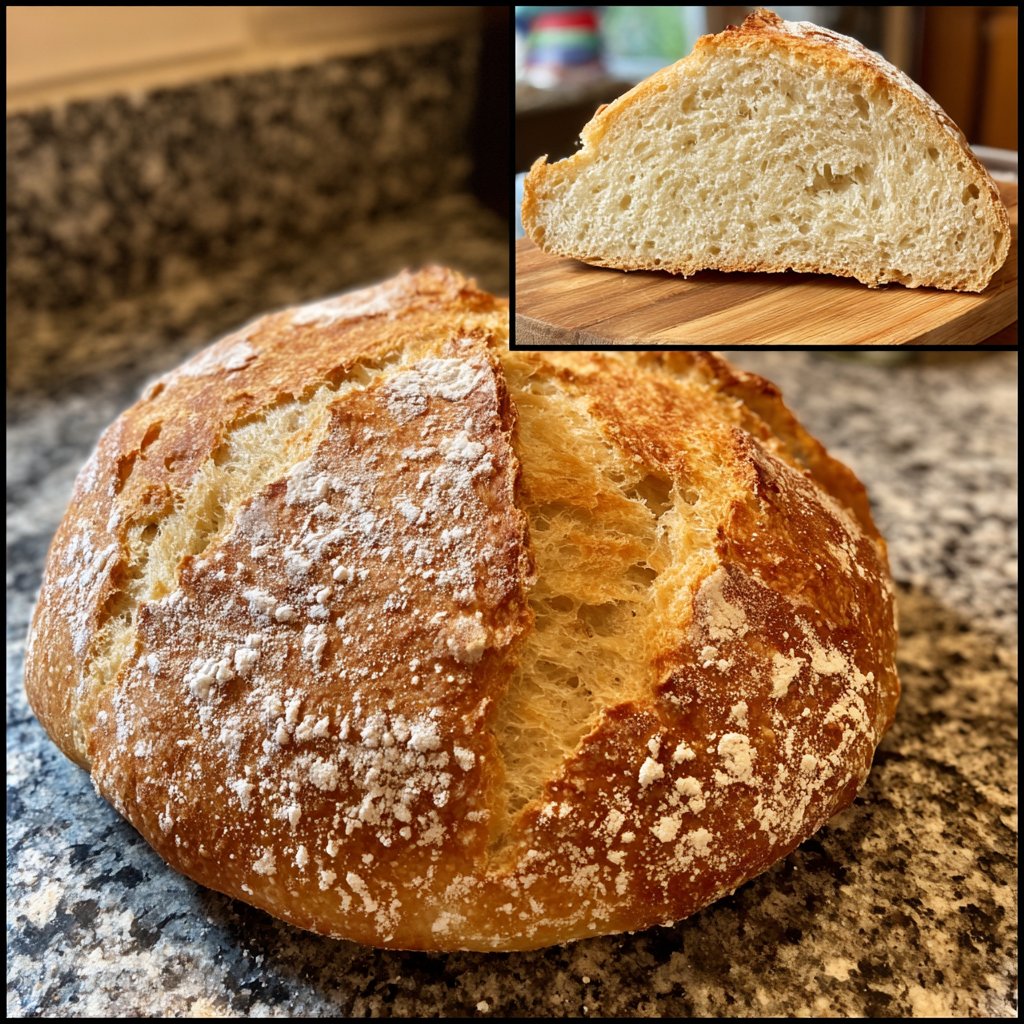
What I found most rewarding was how happy everyone was to eat it straight out of the oven. The crunchy exterior gives way to a soft, fluffy interior that’s perfect for toasting or enjoying with butter. Each loaf comes with a story of love and patience, which is what makes it worthwhile. Don't rush this process—good bread takes time!
Why You'll Love This Recipe
- Perfect balance of tangy sourness and natural sweetness
- Fluffy texture that’s perfect for toasting or sandwiches
- The aroma of baking bread fills your home with warmth
Understanding Sourdough Starter
The sourdough starter is the heart of this recipe, providing that unique tangy flavor and helping the bread rise naturally. A healthy starter is essential for the success of any sourdough bread. If your starter is bubbling and robust, it indicates that it's ready to be used. If your starter seems sluggish or hasn't risen in a while, consider feeding it one or two times before baking to revive its power.
You can also experiment with different types of flour in your starter. A mix of whole wheat and all-purpose flour can enhance the tanginess and add depth of flavor to your bread. Just remember that each type of flour will behave differently, affecting hydration levels and fermentation times.
Perfecting Your Dough Technique
Kneading is a critical step in developing the gluten structure of your dough. When kneading, aim for a smooth and elastic texture, which usually takes around 10 minutes. If the dough sticks excessively, sprinkle a little flour on your work surface, but try to avoid adding too much, as this can alter the dough's hydration balance. A well-kneaded dough should be slightly tacky but hold its shape well.
During the first rise, monitor the dough for size increase. The exact time can vary based on room temperature—about 6 hours is a guideline, but in a warm kitchen, it may rise faster. Look for it to double in size and develop a slightly domed surface. If you're in a cooler environment, consider placing the bowl in an oven with just the light on to provide warmth.
Storage and Serving Options
Once baked and cooled, your Soft Sweet Sourdough Bread can be stored in a paper bag at room temperature for up to three days. If you want to keep it fresh longer, consider wrapping it tightly in plastic and freezing it. It will retain its quality for up to three months. To enjoy it later, simply thaw it at room temperature and refresh it in a preheated oven for a few minutes for that fresh-baked taste.
This versatile bread pairs beautifully with a variety of toppings. Spread it with homemade jams, honey, or a generous layer of butter. For a heartier option, layer it with your favorite deli meats and cheeses or use it for toasted sandwiches. I often slice a loaf and freeze portions, so I always have fresh bread on hand for spontaneous snacking or entertaining!
Ingredients
Main Ingredients
- 500g all-purpose flour
- 350ml warm water
- 100g sourdough starter
- 30g sugar
- 10g salt
- 2 tbsp olive oil
Preparation Note
Ensure all ingredients are at room temperature for better results.
Instructions
Mix the Dough
In a large bowl, combine the flour, sugar, and salt. In a separate bowl, mix the warm water and sourdough starter until well blended. Gradually add the wet ingredients to the dry ingredients, mixing until a sticky dough forms.
Knead the Dough
Transfer the dough to a floured surface and knead for about 10 minutes until smooth and elastic. Shape it into a ball and place it in a greased bowl.
First Rise
Cover the bowl with a damp cloth and let it rise in a warm place for about 6 hours, or until doubled in size.
Shape the Loaf
Once risen, punch down the dough and shape it into a loaf. Place it into a greased loaf pan.
Second Rise
Cover the loaf pan with a cloth and let the dough rise again for another 2 hours.
Bake the Bread
Preheat your oven to 220°C (430°F). Bake the bread for 30-40 minutes or until it sounds hollow when tapped on the bottom. Let it cool before slicing.
Serving Suggestion
Enjoy your bread fresh with a spread of your choice!
Pro Tips
- For best results, use a kitchen scale to measure your ingredients and monitor the humidity in your kitchen during the rising phase.
Troubleshooting Common Issues
If your bread doesn’t rise as expected, the most likely issue is the sourdough starter. Ensure it is active and bubbly. If using a refrigerated starter, let it come to room temperature and feed it before using. Low ambient temperatures can also hinder rising; try to keep your dough in a consistently warm environment.
Another common problem is overly dense bread. This can occur from insufficient kneading, not allowing enough rising time, or adding too much flour. Always measure flour accurately and trust your instincts—aim for a soft, pliable dough.
Scaling the Recipe
This recipe can easily be scaled up or down to suit your needs. If you're baking for a larger gathering, double the ingredients, but keep an eye on the rising times, as larger dough quantities may require additional time. Likewise, if you want a smaller loaf, you can halve the ingredients, adjusting the baking time slightly as needed for smaller loaves.
When adjusting ingredient quantities, maintain the same ratios of flour, water, and sourdough starter for optimal results. Remember that baking times may vary, so check for that hollow sound when tapping the bottom of the bread.
Questions About Recipes
→ Can I use whole wheat flour instead of all-purpose flour?
Yes, you can substitute whole wheat flour, but you may need to adjust the water content as it absorbs more moisture.
→ How do I store homemade sourdough bread?
Store it in a paper bag at room temperature for up to 3 days. For longer storage, consider freezing it.
→ Why is my sourdough bread dense?
A dense loaf could be due to under-proofing or using a weak sourdough starter. Ensure your starter is active and bubbly.
→ Can I add seeds or nuts to the bread?
Absolutely! You can mix in seeds or nuts during the kneading stage for added flavor and texture.
Soft Sweet Sourdough Bread
Created by: Harper Collins
Recipe Type: Dessert Corner
Skill Level: Intermediate
Final Quantity: 1 loaf
What You'll Need
Main Ingredients
- 500g all-purpose flour
- 350ml warm water
- 100g sourdough starter
- 30g sugar
- 10g salt
- 2 tbsp olive oil
How-To Steps
In a large bowl, combine the flour, sugar, and salt. In a separate bowl, mix the warm water and sourdough starter until well blended. Gradually add the wet ingredients to the dry ingredients, mixing until a sticky dough forms.
Transfer the dough to a floured surface and knead for about 10 minutes until smooth and elastic. Shape it into a ball and place it in a greased bowl.
Cover the bowl with a damp cloth and let it rise in a warm place for about 6 hours, or until doubled in size.
Once risen, punch down the dough and shape it into a loaf. Place it into a greased loaf pan.
Cover the loaf pan with a cloth and let the dough rise again for another 2 hours.
Preheat your oven to 220°C (430°F). Bake the bread for 30-40 minutes or until it sounds hollow when tapped on the bottom. Let it cool before slicing.
Extra Tips
- For best results, use a kitchen scale to measure your ingredients and monitor the humidity in your kitchen during the rising phase.
Nutritional Breakdown (Per Serving)
- Calories: 350 kcal
- Total Fat: 6g
- Saturated Fat: 1g
- Cholesterol: 0mg
- Sodium: 300mg
- Total Carbohydrates: 68g
- Dietary Fiber: 3g
- Sugars: 4g
- Protein: 9g